By 2026, the definition of a “Smart City” has changed. It’s no longer just about fast Wi-Fi or automated traffic lights—it’s about Bio-Resilience. As urban heat islands intensify and air quality fluctuations impact millions, municipal leaders are turning to moringa-ai to bridge the gap between urban planning and public health.
The 2026 Urban Shift: Real-Time Governance
- The “Command Centre” Approach: In 2026, city governors use Moringa-ai to monitor the pulse of the city. By integrating IoT sensors across districts, we provide a live “Health-Climate Map”—identifying everything from vector-borne disease hotspots to zones of critical heat stress.
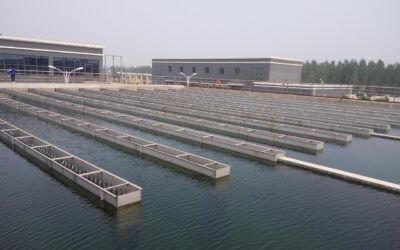
- Smart Sanitation & Water Security: We’ve moved past static schedules. Moringa-ai helps cities predict waste accumulation risks and monitor water quality in real-time, preventing outbreaks before they start.
- Climate-Informed Urban Planning: Our data tells planners where to plant the next million trees and where to build cooling centres by simulating long-term environmental health trajectories for specific neighbourhoods.
Why Public Health Leaders Trust moringa-ai
- Predictive Disease Surveillance: We don’t just track outbreaks; we forecast them. By analysing the “Climate-Health Nexus,” we help health departments allocate vaccines and resources to high-risk zones before a surge.
- Hyper-Local Citizen Alerts: We empower cities to communicate directly with vulnerable populations (the elderly, those with respiratory conditions) with personalized health advisories based on their exact street-level air quality.
- Data-Driven Policy: No more guesswork. Our platform provides the evidence-based analytics needed for Scope 3 reporting and international health compliance (WHO, ADA, GDPR).
The city of 2026 doesn’t just house people; it protects them. moringa-ai is proud to be the “Digital Nervous System” for cities that prioritize the long-term well-being of their citizens.
Image Credits: Jayce Q from Pexels