In 2026, a city’s “intelligence” is no longer measured by its connectivity, but by its health resilience. As urban populations face a “Triple Planetary Crisis”, climate change, pollution, and biodiversity loss, public health departments are shifting from administrative oversight to active environmental defense.
At moringa-ai, we are proud to be the infrastructure behind the world’s first truly “Climate-Resilient Smart Cities.”
The 2026 Public Health Mandate: Prevention at Scale
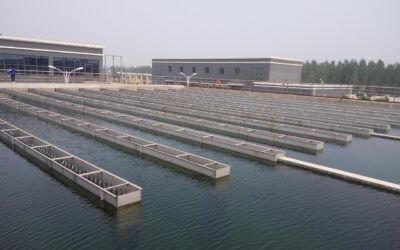
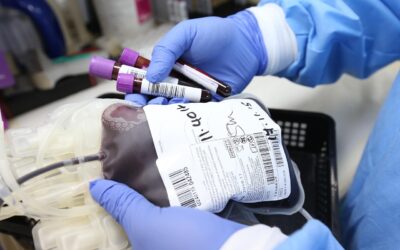
- Real-Time Disease Surveillance: In 2026, we don’t wait for hospital admission records to track an outbreak. Moringa-ai correlates sanitation data, water quality, and atmospheric variables to identify “Bio-Hotspots.” Whether it’s a surge in vector-borne diseases or waterborne pathogens, our platform provides 48-hour advanced warnings to municipal authorities.
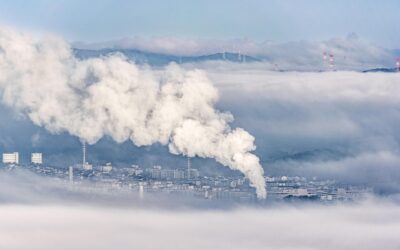
- Air Quality Governance (Beyond the Index): Standard AQI is a relic of the past. moringa-ai’s hyper-local monitoring allows city governors to implement “Dynamic Low-Emission Zones” and send real-time health advisories to schools and senior centres based on street-level particulate concentrations.
- The “Cooling Command”: Heatwaves are the #1 urban weather-related killer in 2026. Our AI maps “Urban Heat Islands” in high resolution, allowing cities to automate the deployment of mobile cooling centres and trigger social service checks for vulnerable citizens before temperatures reach critical levels.
- Evidence-Based Urban Planning: We provide the data for the “Nature-Based Solutions” of 2026. From placing green belts to optimizing drainage systems, our Long-Term Climate Projections ensure that today’s infrastructure survives tomorrow’s environment.
Empowering the Community Hub
2026 is the year of Decentralized Public Health. moringa-ai empowers NGOs and community leaders with the same tools as the Ministry of Health, allowing grassroots organizations to monitor their own water security and air quality, fostering a “Bottom-Up” approach to resilience. In 2026, the healthiest cities are the smartest ones.
Image Credits: NirutiStock from Getty Images