Welcome back to the moringa-ai blog! Today, we’re focusing on the transformative potential of moringa-ai for Smart City Initiatives of Government. As urban centers increasingly embrace technology to improve the lives of their citizens, integrating data-driven health insights into smart city frameworks is becoming crucial. moringa-ai offers a unique platform to empower governments and urban planners in building healthier, more resilient, and truly intelligent cities.
As we’ve explored, moringa-ai excels at analyzing the complex interplay between environmental factors and human health. This capability is invaluable for smart city initiatives aiming to optimize public health, enhance urban planning, and create a more sustainable and livable environment for all residents.
Data-Driven Insights for a Healthier Urban Future
moringa-ai provides governments and smart city stakeholders with the ability to leverage real-time environmental monitoring and predictive analytics to inform policy decisions, optimize resource allocation, and proactively address the health needs of their urban populations.
Key Features for Smart City Empowerment
- Real-time City-Wide Environmental Monitoring: Our platform can integrate data from a network of environmental sensors across the city—such as those measuring air quality, temperature, and humidity—for a comprehensive and up-to-the-minute understanding of urban environmental conditions.
- Predictive Analytics for Climate-Related Health Risks: moringa-ai analyzes historical and real-time environmental data alongside anonymized, aggregated health data to forecast potential spikes in climate-sensitive illnesses, allowing for proactive public health campaigns and resource planning.
- Policy and Urban Planning Support: Data-driven insights from moringa-ai can inform policy decisions related to public health governance, sanitation management, and air quality control. It can also contribute to climate-resilient urban planning, such as identifying areas that require additional green spaces or heat-mitigation strategies.
- Efficient Resource Allocation: By anticipating health needs, governments can optimize the allocation of resources, such as emergency services, public health campaigns, and medical supplies, ensuring they are deployed effectively to where they are needed most.
- Enhanced Citizen Engagement: By providing citizens with personalized insights and tools to manage their health in response to local environmental conditions, moringa-ai can increase public awareness and encourage proactive behavior.
Real-World Applications for Urban Transformation
- Proactive Air Quality Alerts: A smart city could use moringa-ai to alert residents about high air pollution days, recommending they limit outdoor activities and use public transport to reduce emissions.
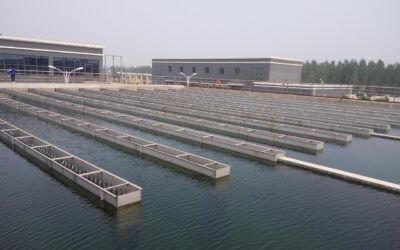
- Targeted Sanitation Management: By correlating sanitation data with disease outbreaks, a city can use moringa-ai to identify and prioritize areas for sanitation improvements, preventing the spread of infectious diseases.
- Developing Climate-Resilient Infrastructure: Long-term climate projections from moringa-ai can inform urban planners on where to build new parks, cooling centers, and shade structures to protect citizens from extreme heat events.
Building Smarter, Healthier Communities for All
moringa-ai empowers governments and smart city initiatives to move beyond reactive responses and embrace a data-driven approach to urban health and well-being. By integrating environmental intelligence into urban planning and public health management, we can build a future where our cities are not just technologically advanced, but are also designed to protect and enhance the health of every resident.
Is your city looking to leverage the power of AI to create a healthier, more resilient urban environment? Learn more for Governments & Smart Cities by visiting our website: https://www.moringa-ai.com/.
_
Image credits: Zoshua Colah on Unsplash