Welcome back to the moringa-ai blog! Having explored our platform’s application across every major sector, we now pivot to a deep dive on one of the most critical and pervasive environmental threats to human health: air pollution.
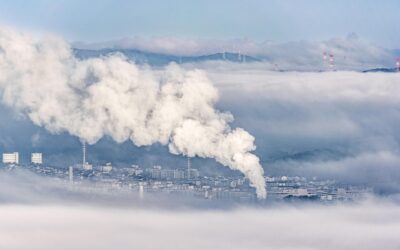
The World Health Organization (WHO) has called air pollution the single largest environmental health risk. It’s not just visible smog; it’s invisible particulate matter (PM2.5), ground-level ozone, and chemical vapours that silently infiltrate our bodies, shortening lifespans and exacerbating chronic diseases like asthma, heart disease, and stroke.
moringa-ai is uniquely positioned to address this crisis by moving beyond simple air quality indexing to provide predictive, personalized, and actionable intelligence.
The moringa-ai Difference: Predictive Air Quality Health
Traditional air quality alerts tell you what the air is now. moringa-ai tells you what the air will be and, critically, how it will affect you.
- Hyper-Local Forecasting: We combine satellite imagery, ground sensor data (like the Digibox), and meteorological models to generate highly accurate air quality forecasts for your specific neighbourhood or workplace, often hours or days in advance.
- Personalized Risk Assessment: Our AI doesn’t treat all pollution equally. It analyses your health profile (e.g., if you have asthma or COPD) and correlates it with specific forecasted pollutants (e.g., ozone vs. PM2.5). This provides a personalized risk score, not just a general number.
- Actionable Proactive Recommendations: Based on your personalized risk score and the pollution forecast, moringa-ai offers specific guidance:
- For Individuals: “Tomorrow’s pollution forecast suggests high PM2.5 between 7 AM and 9 AM. Adjust your morning run to the afternoon or use an indoor route.”
- For Hospitals: “A high ozone forecast for the next 48 hours indicates a likely 15% surge in respiratory-related emergency room visits. Adjust staffing levels now.”
- For Governments: “Predictive modelling indicates a temporary air inversion will trap pollutants over the city centre, suggesting an alert system for vulnerable citizens should be activated immediately.”
The Power of Data Integration
Our ability to combat the air quality crisis stems from connecting disparate data points:
- Meteorology: Understanding wind patterns, temperature inversions, and rainfall to predict where pollutants will accumulate.
- Emissions Sources: Correlating traffic, industrial activity, and wildfire smoke to model pollutant generation.
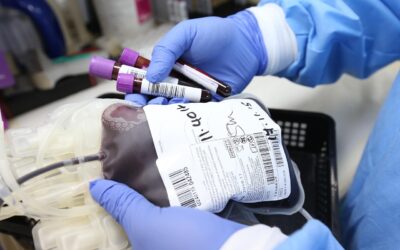
- Health Outcomes: Analyzing aggregated, anonymized health data to confirm the specific morbidity impact of forecasted pollution types.
Building a Breathable Future Together
The fight against air pollution requires a united, data-driven approach. moringa-ai empowers every user—from the policy maker drafting environmental regulations to the parent planning their child’s outdoor play—with the precise information needed to make healthier choices and drive systemic change.
Join the movement for cleaner air and proactive health. Are you ready to stop reacting to air pollution and start predicting it?
Image credits: RapidEye from Getty Images Signature