Welcome back to the moringa-ai blog! Today, we turn our focus to another key industrial sector with critical safety and environmental health needs: Petrochemical Industries.
In an industry characterized by complex operations, stringent safety protocols, and the constant management of environmental risks, the well-being of the workforce and the stability of operations are paramount. As we’ve explored throughout this series, moringa-ai excels at analysing the intricate, often subtle, relationship between environmental factors and human health outcomes.
This capability is exceptionally relevant in the petrochemical sector, where factors like extreme temperatures, air quality fluctuations, and specific chemical exposures can significantly impact worker safety, health, and operational compliance.
Data-Driven Foresight for Operational Resilience and Worker Safety
moringa-ai provides petrochemical companies with the ability to leverage real-time environmental monitoring and predictive analytics. This empowers them to create a safer, healthier working environment, enhance operational stability, and adhere to regulatory standards.
Key Features for Petrochemical Industry Empowerment:
- Real-time Monitoring of Workplace Conditions: Utilize integrated IoT sensors to continuously track critical environmental parameters within refineries, plants, and field operations. This includes monitoring:
- Temperature and humidity (critical for managing heat stress).
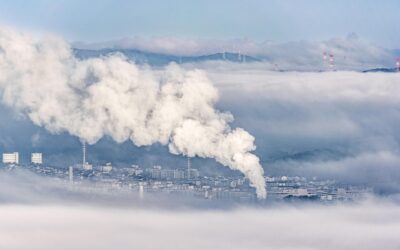
- Air quality (monitoring for particulate matter, dust, and specific chemical vapours).
- Wind speed and direction (crucial for assessing potential plume dispersal in case of a release).
- Predictive Analytics for Heat Stress Risks: Based on weather forecasts and employee physiological data (when integrated via wearables, with consent), moringa-ai can predict periods of high risk for heat stress. This helps in implementing proactive measures like adjusted break schedules and cooling station deployment.
- Compliance Monitoring and Reporting: The platform can assist in monitoring and documenting environmental conditions to ensure adherence to stringent safety regulations and regulatory compliance, particularly regarding emissions and chemical exposure limits.
- Proactive Health Alerts for Chemical Exposure: By correlating environmental data with potential exposure points, moringa-ai can issue real-time alerts to workers and management regarding potential spikes in chemical vapour levels, enabling immediate preventative action.
- Optimized Resource Allocation and Maintenance: Predicting extreme weather events (like high winds or freezing temperatures) allows for proactive, climate-informed scheduling of maintenance and temporary adjustments to operational procedures, safeguarding infrastructure and personnel.
Real-World Applications for Safety and Stability:
- Preventing Heat Stress: Providing specific guidance to maintenance crews working outdoors during a forecasted heatwave, recommending mandatory rest periods and increased hydration based on personalized or location-based risk profiles.
- Managing Air Quality for Respiratory Health: Alerting staff about poor air quality days caused by local industrial activity or regional smog, and recommending the use of appropriate respiratory protective equipment (RPE) or adjusting shift work for sensitive employees.
- Informing Emergency Response: Using real-time weather and environmental data to model the most likely dispersal path of a vapour release, providing critical information for rapid evacuation and community notification procedures.
Cultivating a Culture of Proactive Safety
moringa-ai empowers the petrochemical industry to move towards a proactive, data-driven safety model. By integrating environmental intelligence into daily operations, companies can mitigate workplace risks, protect the long-term health of their employees, and ensure continuous regulatory compliance in a dynamic world.
Is your petrochemical company looking to leverage the power of environmental intelligence to secure operations and protect employee health?
Image credits: Opla from Getty Images Signature